
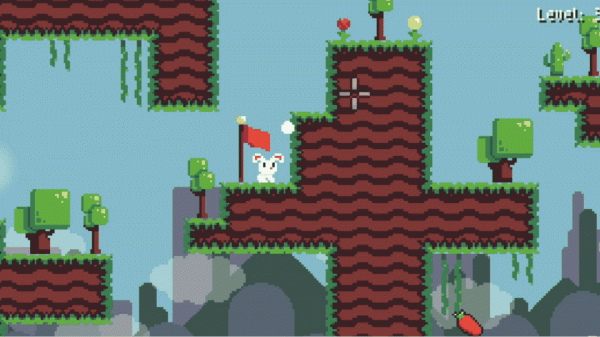
Carrot Chase Leap
Reviews
Carrot Chase Leap succeeds by focusing on one core mechanic and executing it well. The gradual difficulty curve keeps players engaged without overwhelming them. Each level feels like a small puzzle, requiring observation and practice to master. The bright visuals and forgiving reset system make it an ideal choice for families or anyone seeking a low-stress challenge. It is a polished example of how simple gameplay can remain compelling across many stages.
About this game
Core Jumping Mechanics
Carrot Chase Leap centers on a single action: jumping from one platform to the next. Players tap or click to make the character leap, and the distance of each jump depends on how long they press. This simple input method hides a surprising depth, as each platform is placed at a different distance and height. Mastering the press duration is essential to avoid slipping off edges. The game never adds complicated combos or power-ups, keeping the focus on pure timing and accuracy.
Level Layout & Obstacles
Each stage presents a series of platforms arranged in a winding path. Some platforms are narrow, requiring a near-perfect landing. Others are placed at angles that force players to adjust their jump trajectory. Obstacles appear as moving blocks or gaps that shift positions, adding a layer of prediction. The final platform always holds a carrot, which acts as the stage completion marker. The layout encourages players to study the path before making their first move.
Visual Style & Atmosphere
The game uses bright, saturated colors for its platforms and backgrounds. Each level has a distinct color palette, from sunny yellows to cool blues, which helps differentiate stages without needing text labels. The character design is simple and friendly, with a bouncy animation that makes each landing feel satisfying. There are no dark or intense themes, making the visual experience suitable for all ages. The overall look is clean and uncluttered, so players can focus on the jumping challenge.
Progression & Difficulty Curve
Early levels introduce basic platform arrangements with generous landing zones. As players advance, platforms become smaller and gaps wider. Obstacles appear more frequently, and some platforms move in patterns that require waiting for the right moment. The difficulty increases gradually, allowing players to build muscle memory for jump timing. There are no lives or timers, so each attempt is a fresh start. This design reduces frustration and encourages repeated practice.
Family-Friendly Design Choices
The game deliberately avoids any elements that could be considered stressful or inappropriate. There are no enemies to defeat, no time limits, and no failure animations beyond a gentle reset. The character simply bounces back to the start if they fall. This approach makes the game accessible to young children and adults who prefer a relaxed challenge. The controls are responsive and forgiving, so even first-time players can make progress quickly.






Comments
Sign in to leave a review
No account? Create one
No comments yet.