
Gem & Dragon Quest
Reviews
Gem & Dragon Quest succeeds by blending two simple genres into a cohesive whole. The gem-matching puzzles are satisfyingly strategic without being punishing, and the obstacle course segments provide a nice change of pace. The cooperative mode is a highlight, letting two players work together naturally. The art is charming and the music is pleasant. It is a safe, engaging choice for family game time.
About this game
Core Puzzle Mechanics
At its heart, Gem & Dragon Quest is a matching game where players align colored gems to clear paths and earn points. Each stage presents a grid of gems that must be swapped or matched in specific patterns to activate bridges, open gates, or reveal hidden stars. The challenge increases as new gem types and obstacles appear, requiring players to plan several moves ahead. Unlike traditional match-three games, the puzzles here are tied directly to progression through a series of themed environments, from lush forests to volcanic caves.
Dragon Companions and Their Roles
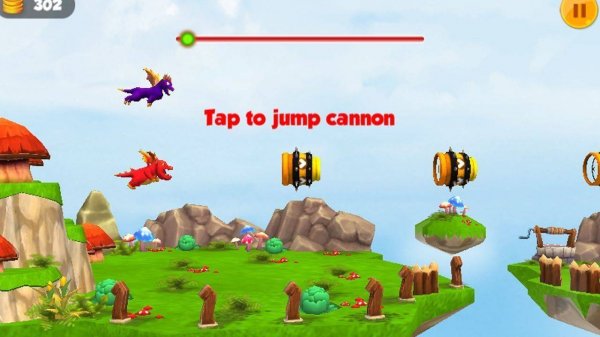
Players choose from a roster of colorful dragon characters, each associated with a specific gem color or special ability. For instance, a fire-aligned dragon might clear a row of gems, while a water dragon could freeze obstacles temporarily. These companions are not just cosmetic; their abilities directly affect puzzle-solving strategies. As players complete stages, they earn currency to unlock additional dragons or upgrade existing ones, adding a layer of collection and customization. The bond between player and dragon is central to the experience, with each companion having its own visual flair and animations.
Obstacle Course Segments
Between puzzle sections, players guide their dragon through simple obstacle courses. These segments involve tapping or swiping to navigate around barriers, collect floating stars, and reach the next puzzle area. The controls are intuitive, requiring only basic hand-eye coordination. These interludes break up the puzzle gameplay and add a sense of adventure without introducing violence or time pressure. Failing a course simply means restarting from a nearby checkpoint, keeping the experience relaxed and frustration-free.
Cooperative Play and Family Dynamics
A standout feature is the cooperative mode, where two players can work together on the same device. One player might control the dragon's movement while the other handles gem matching, or they can take turns on different sections. This setup naturally promotes communication and shared problem-solving. The game includes no competitive elements, ensuring that both players feel supported. This makes it an excellent choice for parents and children to play together, fostering teamwork in a low-pressure environment.
Visual Style and Audio Atmosphere
The art direction uses bright, saturated colors and friendly character designs. Each dragon has a distinct silhouette and color palette, making them easy to identify. Backgrounds are detailed but not cluttered, with gentle animations like flowing water or drifting clouds. The soundtrack consists of cheerful, looping melodies that match the pace of the gameplay. Sound effects are soft and rewarding, with a pleasant chime for successful gem matches. The overall presentation is polished and inviting, suitable for younger audiences.
Progression and Reward Structure
Players advance through a linear series of stages, each with a set of optional objectives such as collecting all stars or finishing within a move limit. Meeting these objectives grants bonus rewards, which can be used to purchase power-ups like gem bombs or extra moves. The game tracks overall completion percentage, giving a sense of accomplishment. There are no timers or pay-to-win mechanics; all content is accessible through regular play. This design keeps the focus on skill and strategy rather than spending.







Comments
Sign in to leave a review
No account? Create one
No comments yet.