

Number Trek Balance Run
Reviews
Number Trek Balance Run succeeds by making math feel like a natural part of the puzzle-solving process. The tile-based movement is intuitive, and the gradual introduction of new operation types keeps the gameplay from becoming repetitive. The visual design is clean and inviting, which helps maintain focus on the strategic decisions. While the game does not offer deep narrative or multiplayer modes, its core loop is polished and rewarding. It is an excellent choice for anyone looking to practice quick calculations in a relaxed, family-friendly environment.
About this game
Core Gameplay Loop
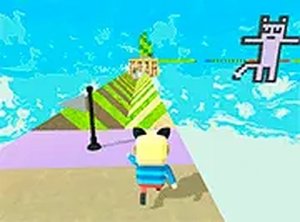
Number Trek Balance Run challenges players to navigate a character across a grid of tiles. Each tile either adds to or subtracts from a running total, with multiplication and division tiles providing larger swings. The primary objective is to collect all visible tokens while ensuring the balance never falls to zero or below. This creates a constant tension between gathering resources and avoiding risky paths.
Tile Types and Strategy
The game features several tile types that modify your current score. Addition and multiplication tiles increase the total, while subtraction and division tiles reduce it. Special discount and tax tiles introduce temporary rule changes, forcing players to adjust their route mid-level. Planning a path that maximizes gains while minimizing losses is key to progressing.
Visual and Control Design
Levels are presented with bright, clear graphics that make tiles and tokens easy to distinguish. Controls are simple: click or tap to move the character in any direction. This straightforward interface works well on both desktop computers and mobile devices, ensuring a consistent experience across platforms.
Educational Value
The game naturally encourages quick mental arithmetic as players must calculate the outcome of each move before committing. Over time, this practice can improve speed and accuracy with basic math operations. The family-friendly design means children and adults can play together, making it a useful tool for informal learning at home.
Progression and Difficulty
As players advance, levels introduce more complex tile arrangements and tighter balance requirements. Early stages allow for generous error margins, while later ones demand precise route planning. This gradual increase in challenge keeps the experience engaging without becoming frustrating.



Comments
Sign in to leave a review
No account? Create one
No comments yet.